From the academy
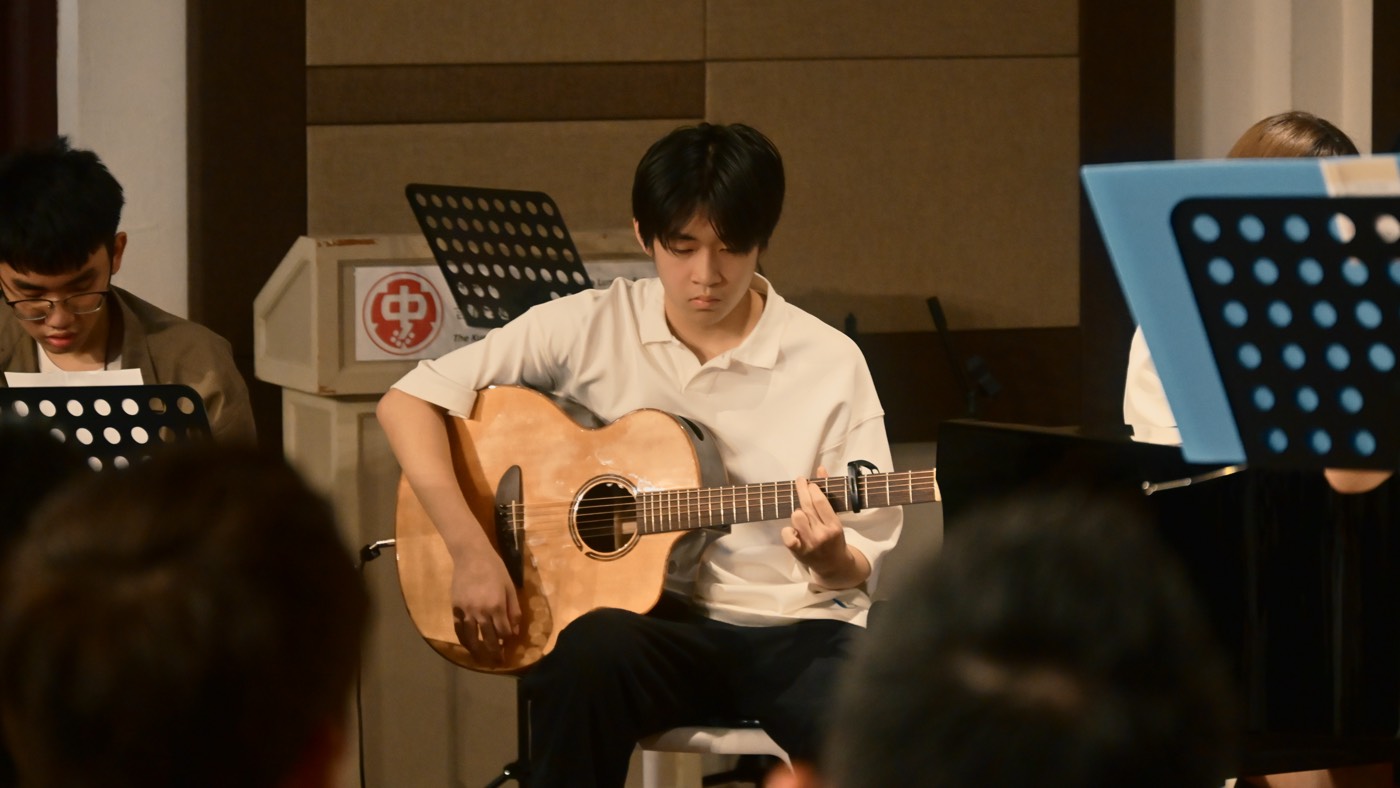
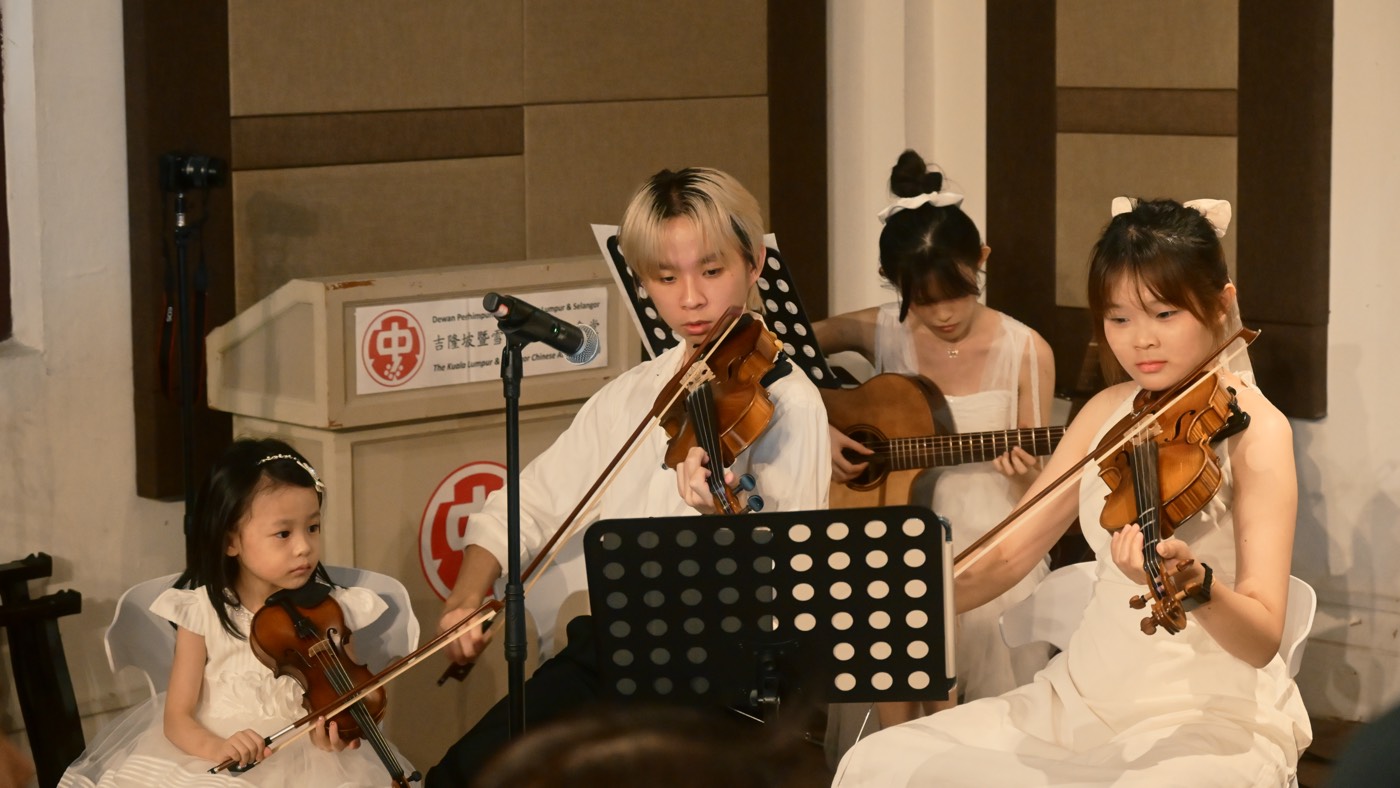
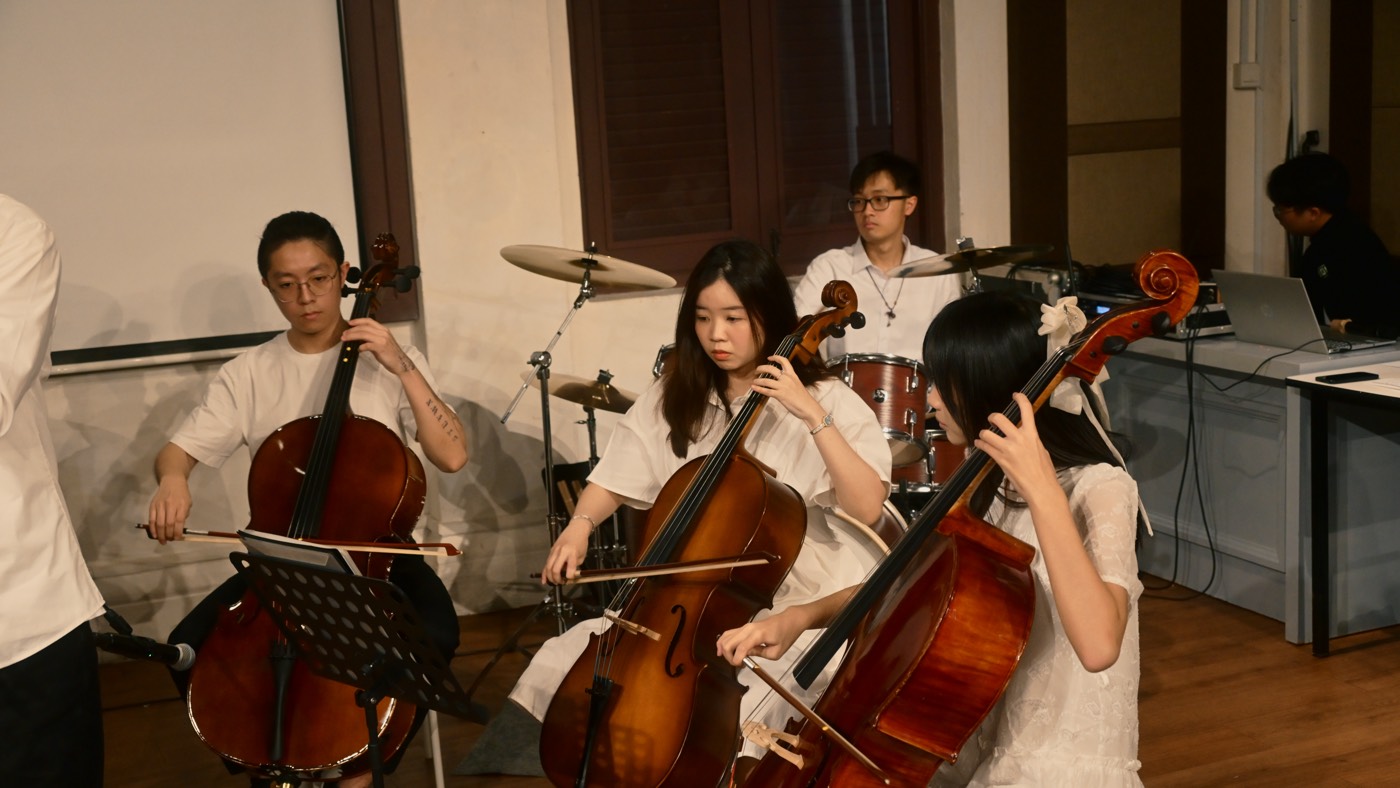
From One Student to Our First Annual Concert
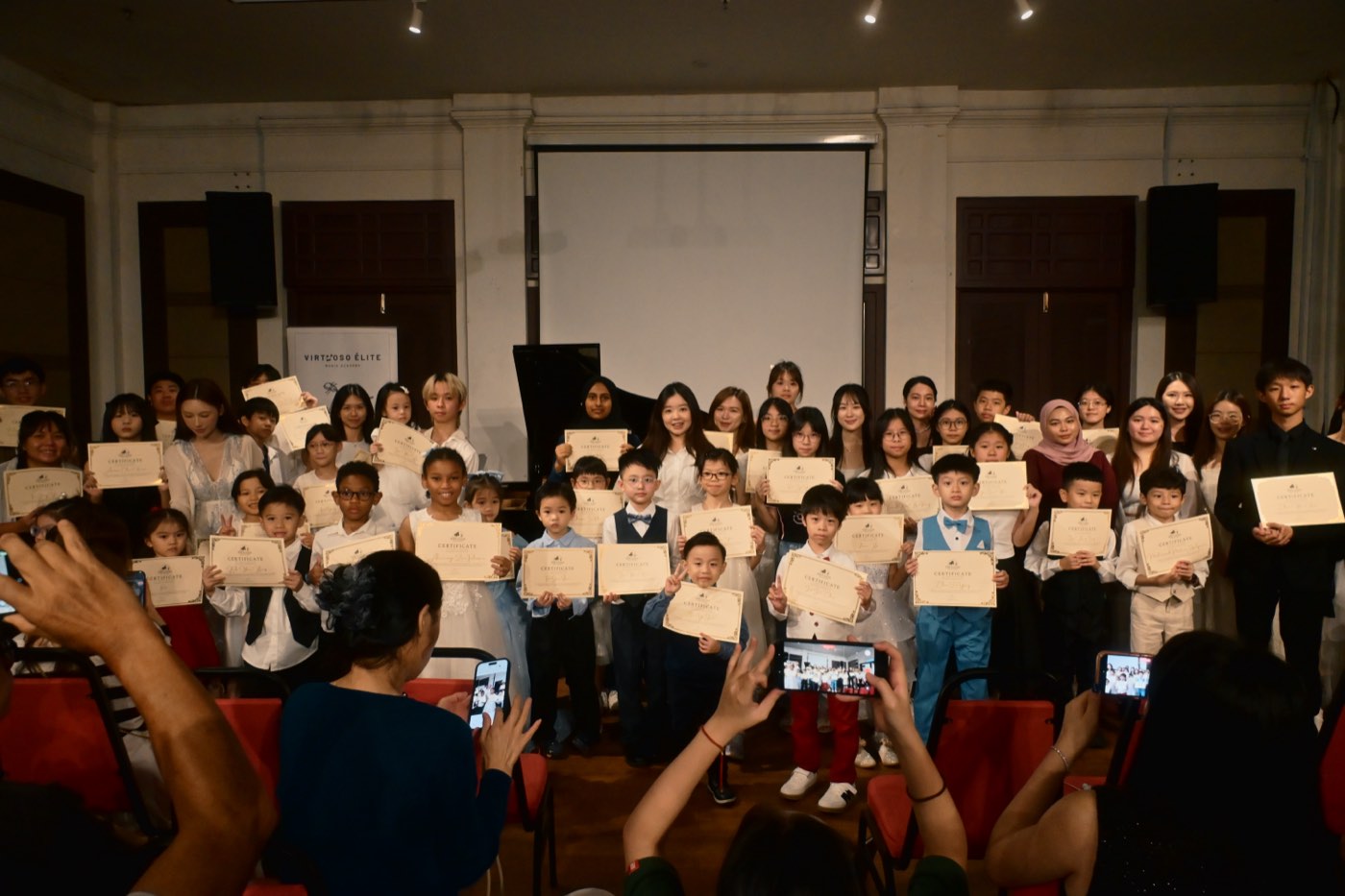
In May 2025 we taught one student. On 26 September 2026, seventy performers took the stage at KLSCAH for our first annual concert. This is the story of the year in between.
Notes from the academy
Starting ages, choosing an instrument, what to buy, and how graded exams actually work — written by the teachers who answer these questions every week in Pandan Indah and Damai Perdana.
From the academy
In May 2025 we taught one student. On 26 September 2026, seventy performers took the stage at KLSCAH for our first annual concert. This is the story of the year in between.
From the academy
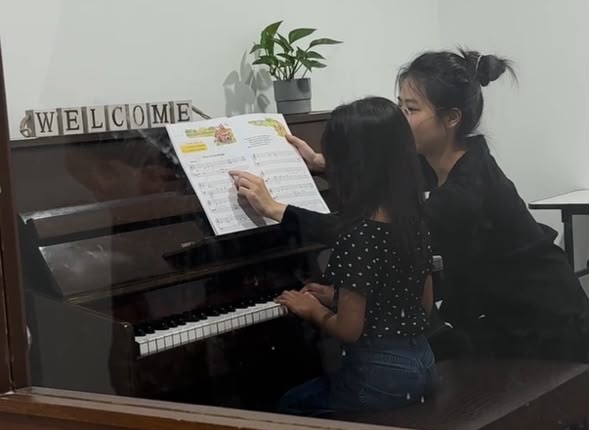
We get this question often, several times a week at the front desk and in enquiries that arrive online. Our honest answer is a scene that plays out here most weeks.
For parents
Something happened at home and it seemed remarkable. It probably was — though usually not the thing it gets called, and rarely the thing worth wanting.
For parents
It gets said on an ordinary evening, somewhere between dinner and the instrument. It is rarely the sentence it appears to be, and it is almost never a decision that has to be made tonight.
For adults
No exam, no audience, no plan to be good by any particular date — an hour that belongs to nobody else, at the end of a week that belonged to everybody else.
Practical guide
Every instrument opens at a different age, and the reasons are almost entirely physical — hand span, reach, lung development and how long a child can sit still.
Practical guide
The question every string and guitar parent hits in the first fortnight — and the one place where buying a size up is genuinely a bad idea.
Instruments
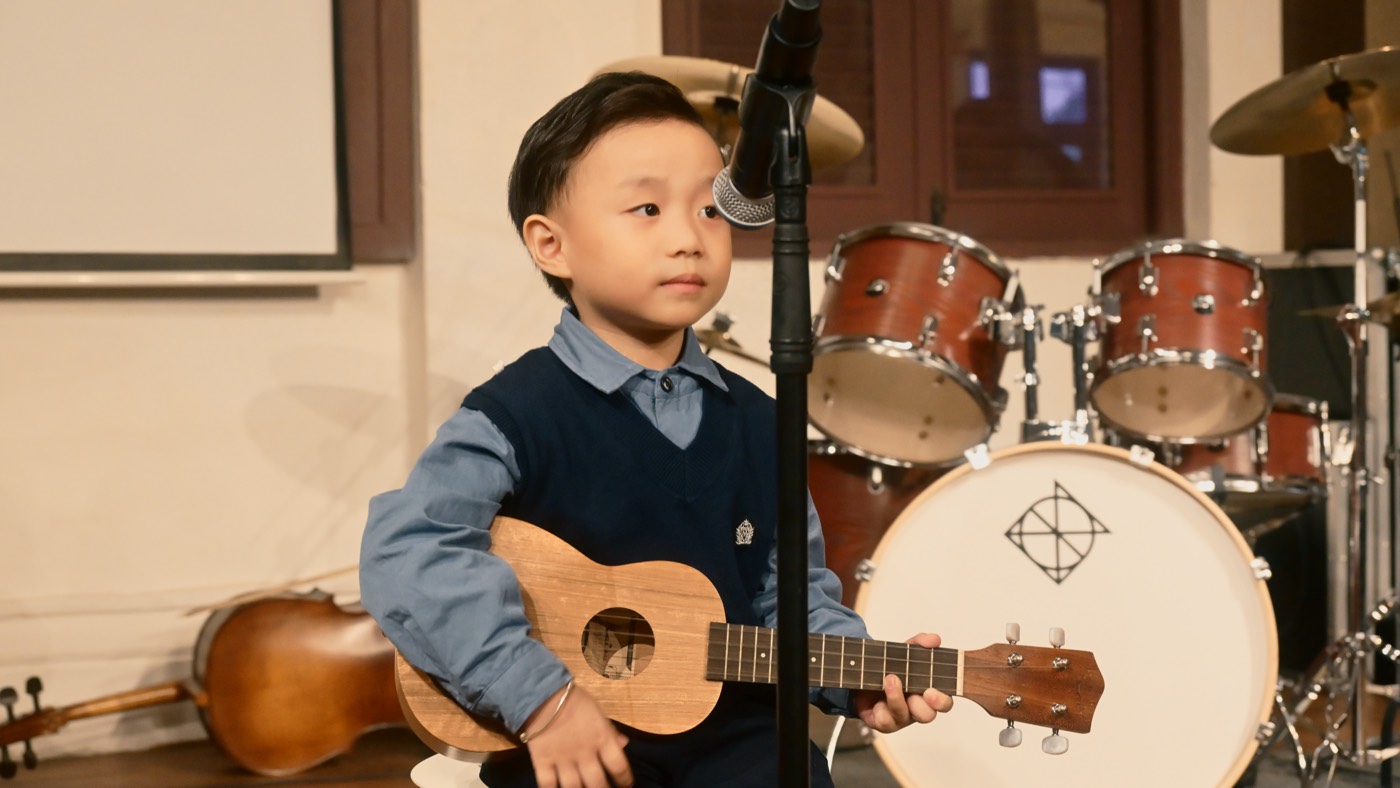
Parents rarely ask it outright, so we will — and the honest answer is that it is both a real instrument and an excellent bridge, and there is no contradiction there.
Instruments
They are close relatives that ask quite different things of a child — and the two-year gap in starting age is already half the answer.
Instruments
Every child sings. Training a voice is a different proposition — and it is the one instrument where starting later is not a delay but a precaution.
Instruments
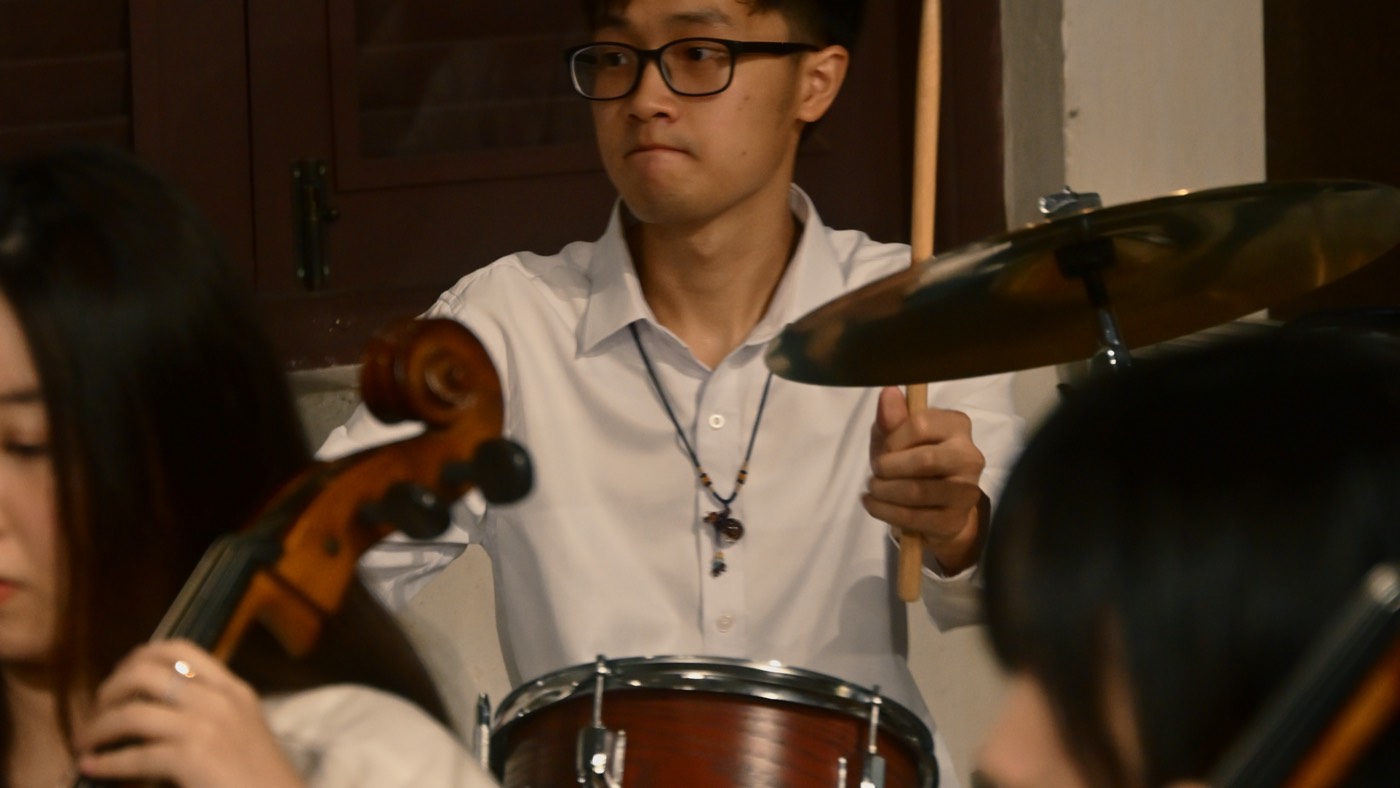
Almost every parent asks it before they ask anything else — and the honest answer is that the first six months are quieter than a television.

Instruments
Twenty-one strings, two thousand years of repertoire, and a sound that most children fall for before the first lesson ends.
Local
The questions that come up most often on WhatsApp, answered properly — from which branch to choose to what time slots families actually want.
From the academy
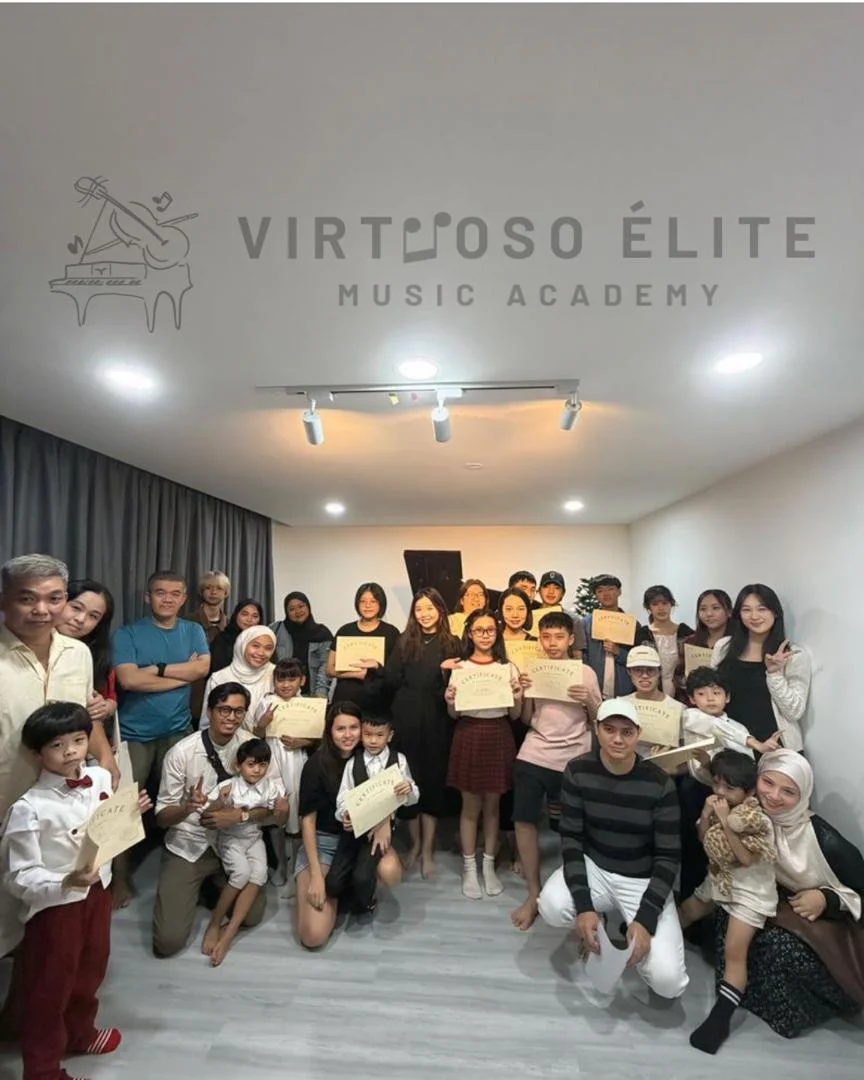
Four times a year the practice stops being private. It is the single most useful thing we ask of a student.
Exams & progression
The numbers get quoted constantly and explained rarely. Here is what each one describes, and what none of them measure.
What to expect
No instrument we teach asks for more patience at the start, and none repays it more completely.
Practical guide
Two decisions do most of the work: how big the instrument is, and what the strings are made of. Both are easy to get wrong in a shop.
Practical guide
Less than you fear, more often than you manage. Frequency is the variable that matters, and almost nobody optimises for it.
For adults
The window everyone worries about closing was never a window. What changes after childhood is the method, not the ceiling.
Exams & progression
Two boards, one eight-grade ladder, and a handful of differences that genuinely affect which one suits a particular student.
Practical guide
One specification matters more than every other combined — and it is not the number of sounds the instrument can make.
For parents
Start with the child rather than the instrument — with the hands, the temperament and the room the thing has to live in.
For parents
Most parents compare schools on price and distance, then discover the things that actually mattered a year later. These are the questions that surface them early.
For parents
The honest answer is that it depends less on the birthday than on the instrument — and on whether the child can sit, listen and try again.
A trial lesson is thirty minutes, one-to-one with the teacher — at Pandan Indah or Damai Perdana. Trial lesson fees apply.
Book a Trial Lesson →